

" height="39.1647540174844px" id="SCDYwXosA" width="1393px"/></svg>)
" height="39.1647540174844px" id="Hpuia2GQF" width="805px"/></svg>)
About Us
DEFINING SANCTUARY
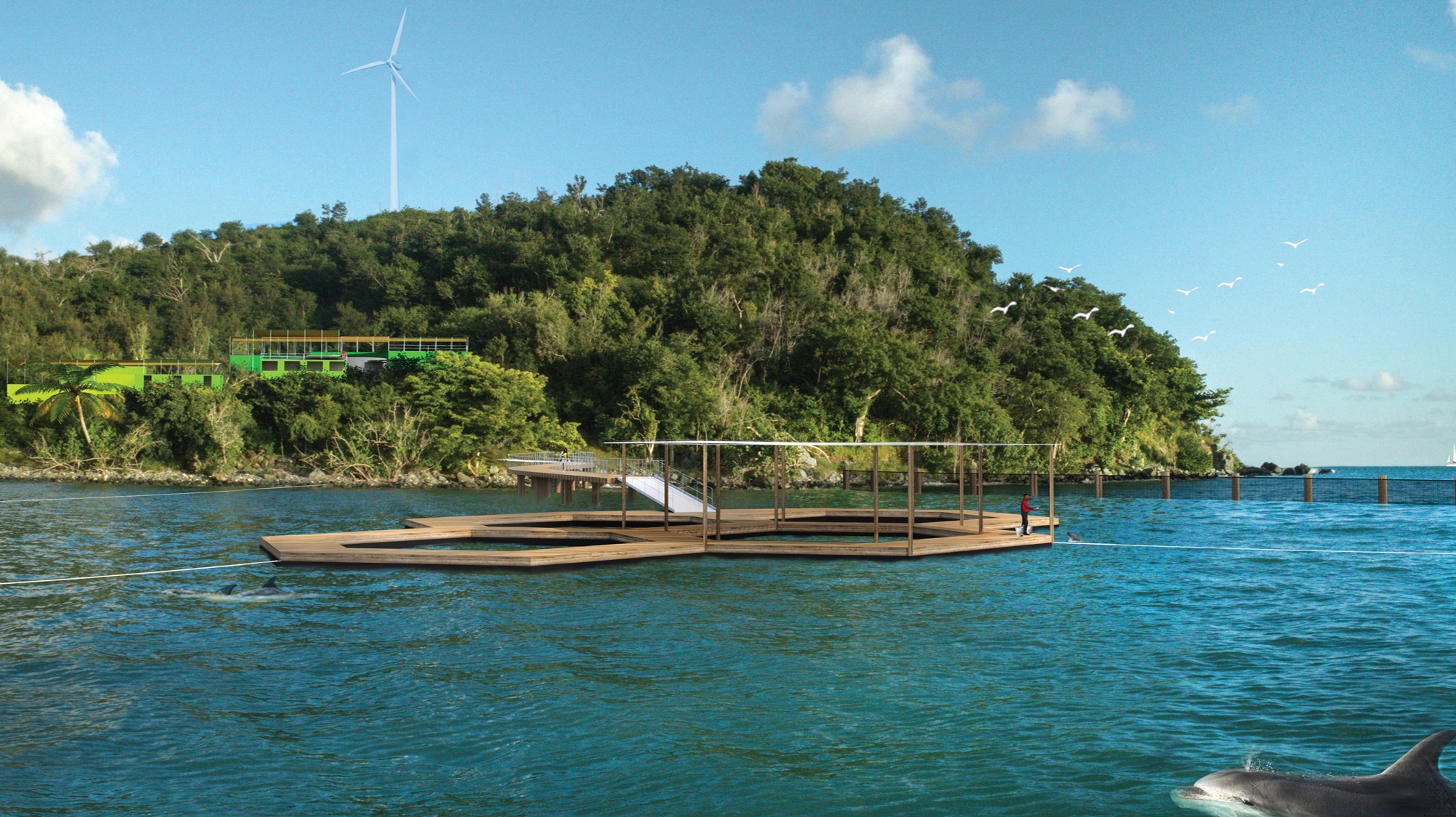
By launching a global movement to create best-in-class, seaside sanctuaries, we aim to give formerly captive dolphins the space, choice and control to live like their wild cousins, in a true ocean habitat. This means a new life in healthy seawater, expansive space in which to form social bonds with other dolphins.
Dolphin First Philosophy
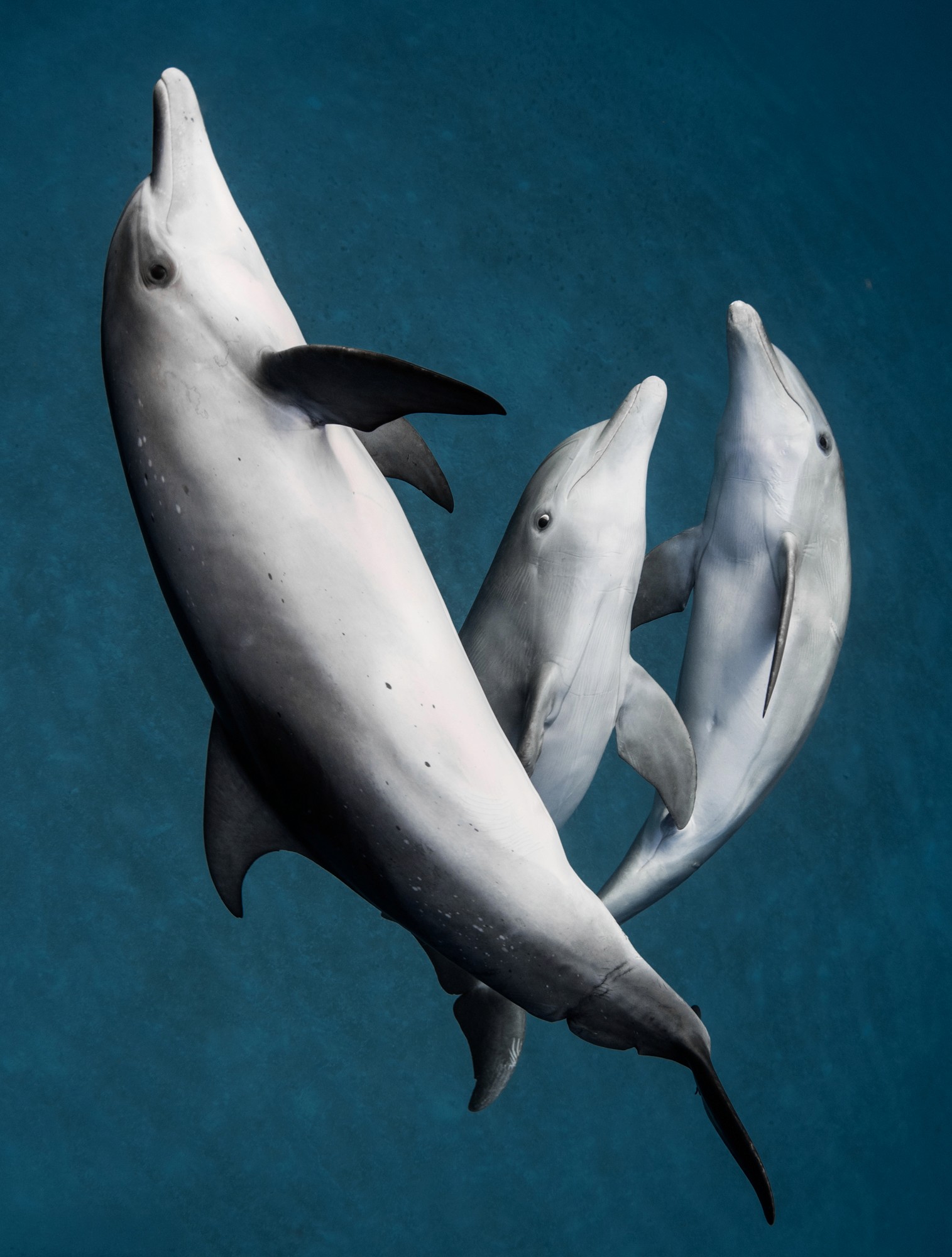
The needs of the dolphins come first. They are held above all others, including those of caregivers, donors, or the public. In respect for their inner lives, the dolphins are afforded the highest levels of choice and control over their living environment. They are free to form natural social groupings and explore novel stimuli.
Revolutionary Work
This is not just a project; it is a turning point. CentroMar’s vision is to be a beloved community asset in Puerto Rico where conservation, education, and engagement work to benefit the animals, ecosystems, and people of Puerto Rico.
Why Now?
Dolphins are highly intelligent, deeply social, emotional beings that are capable of empathy. Yet, over the past century, we have kept them in environments that strip away nearly everything that defines them. Concrete tanks. Limited space. Artificial groupings. A life designed for human entertainment, not for the needs of these socially complex animals. The practice of keeping dolphins in outmoded captive settings offers a glaring and heartbreaking example of humankind’s disconnection with the natural world. Yet, as our understanding of their needs and welfare has evolved, so too has our responsibility. For nearly every other large mammal, sanctuaries exist. For dolphins, they do not.
Why Puerto Rico?
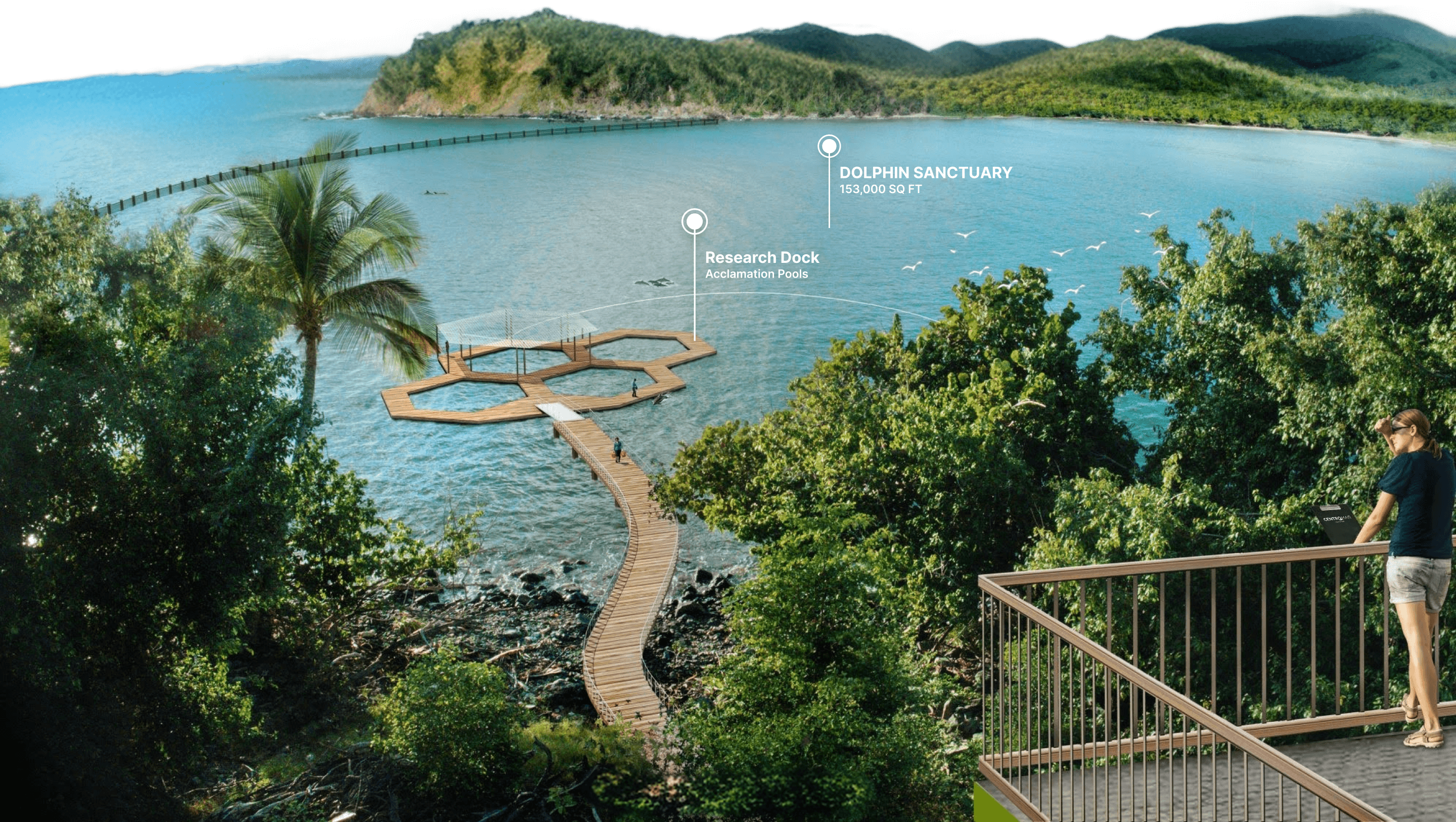
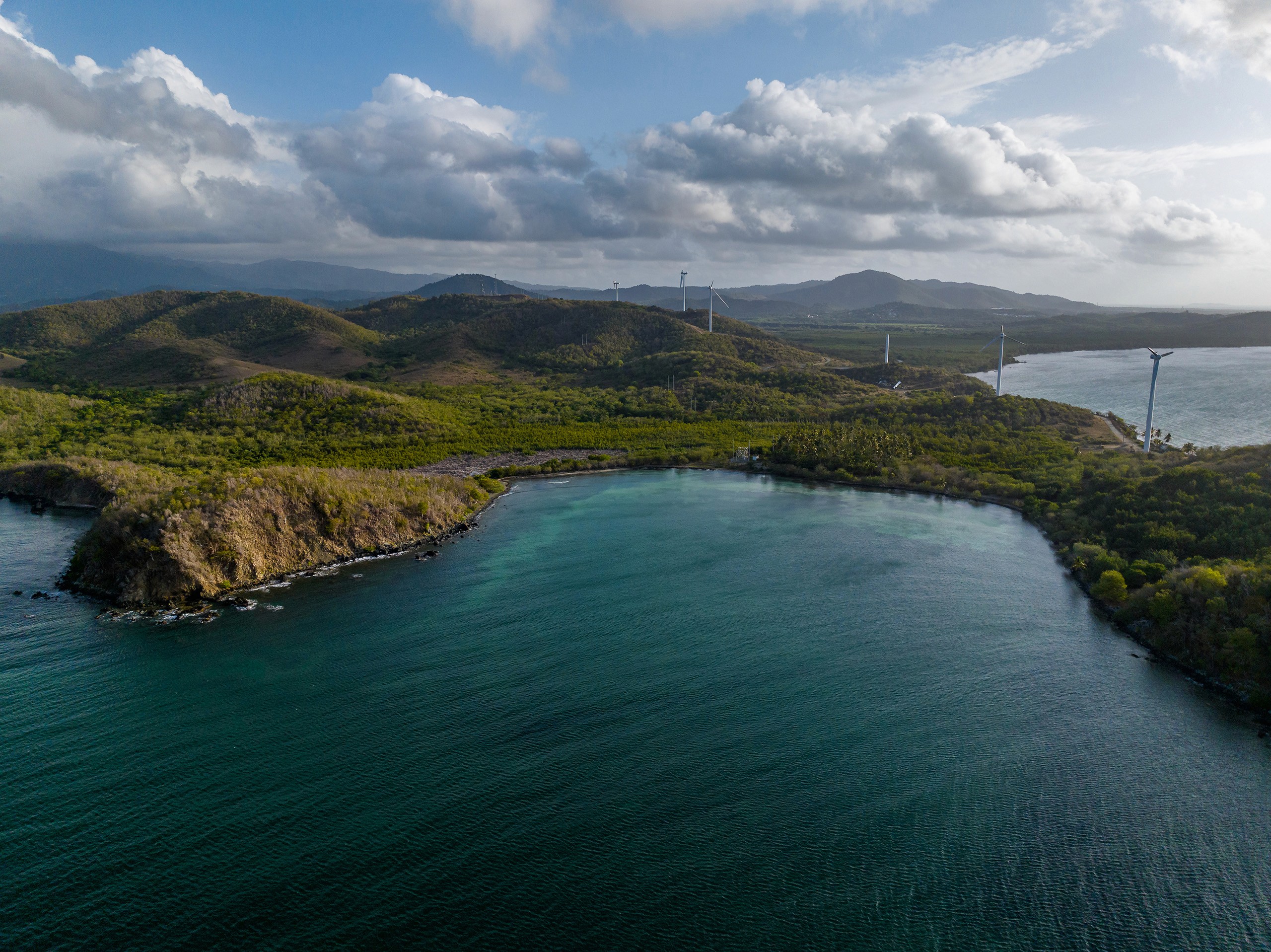
In Bahía Lima, on Puerto Rico’s east coast, the CentroMar team has found something rare: a place where nature already provides what dolphins need to thrive. The bay itself comprises 1.65 million sq ft (153,000 sq m) of surface area and contains over 86 million gallons (327 million liters) of pristine seawater. Its rural location and native vegetation—including mangroves, sea grapes and ceiba trees—are vastly different from anything captive dolphins have ever known. In addition to caring for up to twenty dolphins, CentroMar will:Provide a release site for rescued and rehabilitated manatees. Host Puerto Rico-based NGOs engaged in restoration of coral reefs, mangrove forests, and seagrasses. Be a center for noninvasive, scientific research on dolphin communication, behavior, cognition, and bioacoustics. Act as a living laboratory for environmental education and hub for Puerto Rico’s thriving conservation community.
Why CentroMar?
CentroMar was founded to offer something unprecedented: a place where formerly captive dolphins can live in the ocean—many for the first time—humanely, with dignity, in a safe setting. CentroMar’s scientists, welfare advocates and animal care experts are part of a global movement, one dedicated to breaking the legacy of whale and dolphin captivity through a network of natural oceanside sanctuaries. Newly incorporated in Puerto Rico, CentroMar’s purpose is to create and operate a new home for dolphins, allowing them to transition from traditional captivity to life in the ocean.
01/03
Meet the team
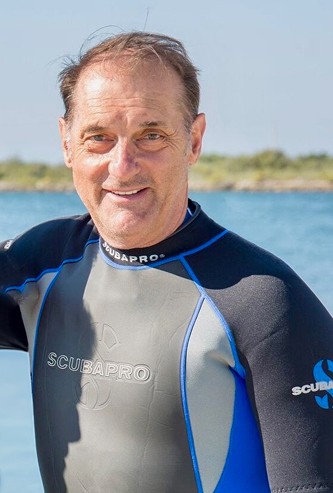
John Racanelli
Founder & Executive Director
John is a key figure in transforming zoos and aquariums, with a 50-year career that includes opening the world-famous Monterey Bay Aquarium and launching The Florida Aquarium. He co-founded Mission Blue with ocean explorer Sylvia Earle and helped her create ‘The Ocean in Google Earth.’ More recently, John led the National Aquarium’s evolution from a struggling attraction into a respected conservation organization, including its bold decision to pursue relocating its pod of six dolphins to a naturalistic outdoor ocean water setting.
At CentroMar, John has built an international team of experts—including renowned architectural firm Studio Gang and a Puerto Rico-based team of engineers, biologists, planners, and oceanographers—with a goal of ensuring CentroMar fulfills its promise to Puerto Rico’s people and remarkable natural wonders. He and his spouse Susan, also an ocean conservationist, enjoy traveling internationally and volunteering on several community-based organizations in the Baltimore region.
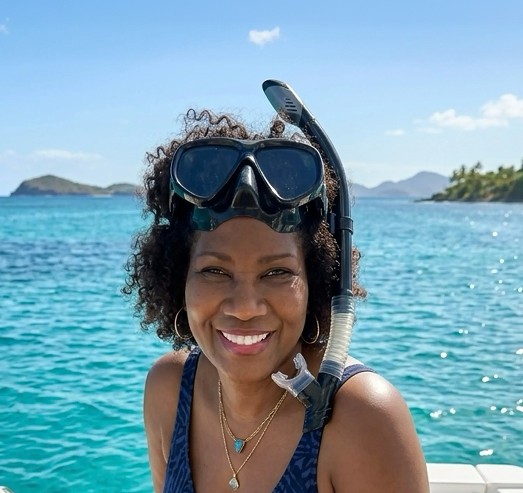
With over two decades of experience supporting C-Suite leadership, Judy has built her career as a trusted strategic thought partner and Board liaison. Her expertise lies at the intersection of high-level operational strategy and meticulous execution; she has established the Office of the CEO and governed Board relations for major organizations ranging from high-intensity startups to established Fortune 500 companies. Before joining CentroMar, Judy served as Director of Special Programs & Events at XQ Institute. When not at work, she is a proud mom to her son, daughter, and son-in-law. She is also devoted to her two handsome, athletic grand pups, Beckham and Bean.
Our Partners
FAQ's
" width="1079px"/></svg>)
" height="114.07794658929106px" id="VCrHwJV2K" width="1068.9999917700811px"/><path d="M 172.349 11.289 C 168.057 8.597 163.342 6.425 158.53 4.739 L 158.237 4.641 C 153.511 3.009 148.647 1.804 143.704 1.042 C 125.267 -1.714 106.636 1.236 89.859 7.074 C 61.408 17.223 31.168 22.444 3.076 9.376 C 2.393 9.051 1.71 8.792 1.027 8.435 C 0.767 8.273 0.474 8.306 0.279 8.468 C 0.052 8.63 -0.079 8.954 0.052 9.246 C 8.375 25.946 26.877 35.317 44.727 38.398 C 63.228 41.544 82.25 38.463 98.768 32.464 C 113.237 27.372 127.804 23.514 142.63 22.314 C 158.465 20.823 173.942 23.189 188.965 29.383 C 189.12 29.306 189.239 29.17 189.294 29.006 C 189.349 28.842 189.336 28.662 189.257 28.508 C 188.282 26.724 187.143 25.071 185.941 23.481 C 182.234 18.585 177.584 14.531 172.349 11.257 Z" fill="rgb(255, 255, 255)" height="39.64936017318841px" id="uz6i0vNYJ" transform="translate(558.833 107.351)" width="189.3272298431473px"/></g></svg>)